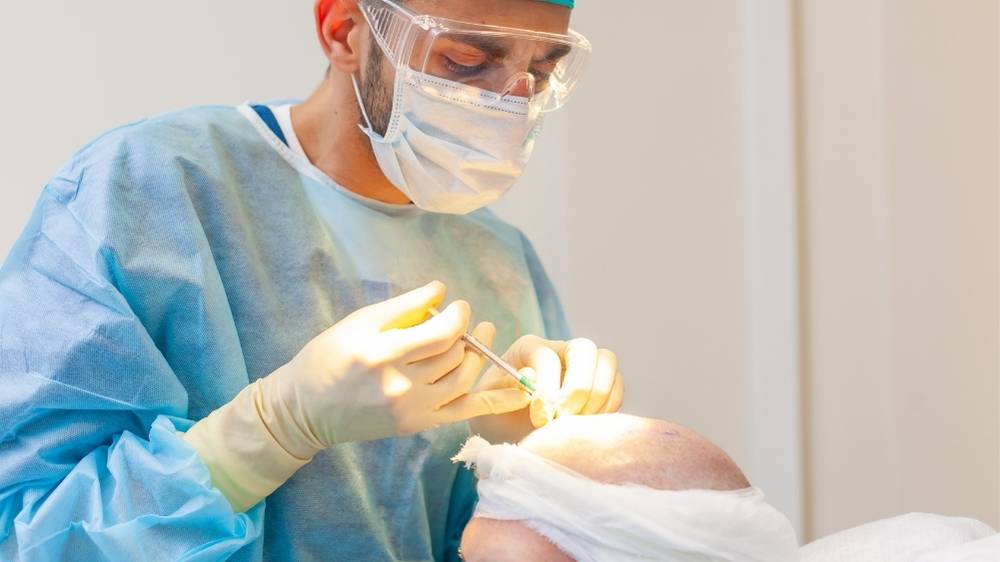
For many people living in Scotland, the mirror can sometimes become a source of frustration rather than a simple tool for getting ready in the morning. Noticing a thinning crown or a receding hairline is a common experience, yet it often feels incredibly personal and isolating. In recent years, however, the conversation around hair loss has shifted significantly. It is no longer a topic discussed in hushed tones or kept a closely guarded secret. Instead, people are openly seeking solutions that help them feel like themselves again. This shift in attitude has led to a surge in interest for a hair transplant glasgow, as individuals realise that high-quality, life-changing procedures are available right on their doorstep.
The decision to undergo a procedure is rarely impulsive. It usually follows months, if not years, of trying various lotions, special shampoos, or different hairstyles to disguise the thinning. While these temporary fixes might offer a brief boost, they do not address the root of the issue. A hair transplant offers a more permanent solution, utilising modern medical advancements to redistribute healthy hair follicles to the areas where they are needed most. Glasgow has emerged as a significant centre for this type of specialised medical care, blending clinical expertise with a deep understanding of patient aesthetics.
The evolution of hair transplant techniques
If you have been researching options, you have likely come across several acronyms that can feel a bit overwhelming. The industry has moved far beyond the ‘hair plugs’ of the 1980s, which often resulted in an unnatural, doll-like appearance. Today, the focus is entirely on precision and natural integration. The two primary methods used in modern clinics are Follicular Unit Extraction (FUE) and Follicular Unit Transplantation (FUT).
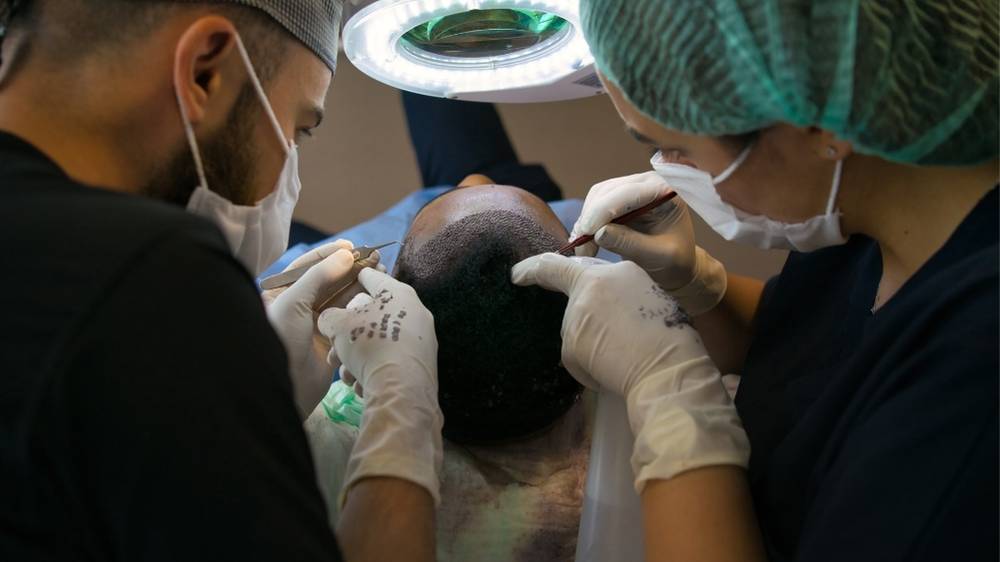
FUE is currently the most popular choice for those seeking a hair transplant glasgow. This technique involves extracting individual hair follicles from a donor area—usually the back or sides of the head where hair is more resistant to balding—and transplanting them into the thinning areas. Because the follicles are removed one by one using a specialised tool, the resulting scars are tiny, circular marks that are virtually invisible to the naked eye, even with short hair. This method is favoured for its shorter recovery time and the lack of linear scarring.
On the other hand, FUT involves removing a small strip of skin from the donor area, from which the follicles are then harvested under a microscope. While this does leave a linear scar, it can be an effective way to transplant a large number of grafts in a single session. The choice between these methods depends heavily on the individual’s hair type, the extent of their hair loss, and their preferred hairstyle after the procedure.
What to expect during the consultation process
The journey does not start in the operating room; it begins with a thorough consultation. This is perhaps the most critical stage of the entire process. A reputable surgeon will take the time to understand your goals, examine your scalp, and determine if you are a suitable candidate. Not everyone is a fit for a transplant; factors such as the quality of the donor hair and the stability of the hair loss play a major role.
- A detailed review of your medical history and hair loss progression.
- An assessment of the donor area to ensure there is enough healthy hair for transplantation.
- A discussion about realistic expectations and the likely density achievable.
- A breakdown of the costs involved and the timeline for the procedure.
- An explanation of the aftercare required to ensure the best possible results.
A good surgeon will be honest about what can be achieved. They will not promise a full head of hair if your donor area is limited, but they will explain how they can strategically place the grafts to create the best visual impact and a natural-looking hairline.
The day of the procedure and the recovery phase
Many people feel nervous about the actual day of the surgery, but the process is designed to be as comfortable as possible. Most hair transplants are performed under local anaesthetic, meaning you are awake throughout but will not feel any pain in the treatment area. You can usually spend the day watching films, listening to music, or simply chatting with the clinical team. Depending on the number of grafts being moved, the session can last anywhere from four to eight hours.
Once the procedure is finished, the focus shifts to recovery. The first few days are crucial for the survival of the newly implanted grafts. You will likely experience some redness and minor swelling, but this typically subsides within a week. It is essential to follow the aftercare instructions to the letter to avoid infection and ensure the follicles take hold properly.
Post-procedure care and timeline
- Days 1-5: Avoid touching or washing the grafted area. You will need to sleep in a slightly upright position to minimise swelling.
- Days 7-14: You can usually begin gentle washing as per the clinic’s guidelines. Scabs will begin to fall off naturally.
- Weeks 2-4: The ‘shedding’ phase occurs. This can be alarming, but it is a perfectly normal part of the cycle where the transplanted hairs fall out to make way for new growth.
- Months 3-6: New, fine hairs begin to emerge from the scalp.
- Months 12-18: The final results are visible, with the hair reaching its full thickness and length.
Patience is key during this period. Because hair grows in cycles, you won’t see an immediate change when you walk out of the clinic. However, seeing those first few new hairs sprout after a few months is often described by patients as a truly exciting moment.
Choosing the right clinic in Glasgow
With the rising popularity of hair restoration, there are many options available, but not all clinics are created equal. When looking for a hair transplant glasgow, it is vital to do your due diligence. You are not just choosing a service; you are choosing a medical professional who will be altering your appearance permanently. Look for surgeons who are members of recognised professional bodies, such as the International Society of Hair Restoration Surgery (ISHRS) or the British Association of Hair Restoration Surgery (BAHRS).
It is also beneficial to look at before-and-after photos of previous patients. This gives you a clear idea of the surgeon’s aesthetic style and their ability to create natural hairlines that suit different face shapes. A natural hairline is the hallmark of a successful transplant; it should be irregular and soft, rather than a straight, harsh line that looks obviously artificial. Reading reviews and testimonials from other people in the Glasgow area can also provide insight into the level of patient care and follow-up support provided by the clinic.
Cost is naturally a factor, but it should not be the only one. While it might be tempting to look for the cheapest option or consider travelling abroad for a ‘bargain’ procedure, the risks of poor results or complications can be high. Choosing a local clinic in Glasgow means you have easy access to follow-up appointments and a surgeon who is accountable for your care throughout the entire process. Investing in quality ensures that you get a result that looks natural and lasts a lifetime, providing a much higher value in the long run.
Ultimately, the goal of a hair transplant is to help you stop worrying about your hair and start living your life with more confidence. Whether you are walking through Kelvingrove Park or heading into a business meeting in the city centre, the peace of mind that comes from feeling good about your appearance is invaluable. By choosing a skilled professional and having realistic expectations, you can achieve a transformation that feels entirely natural and uniquely yours.

Alpha is a writer passionate about culinary adventures and travel experiences, sharing insights on fine dining, local cuisines, and luxury destinations.